Veterans & Military Families
What should a military family plan when relocating to Central Oregon?
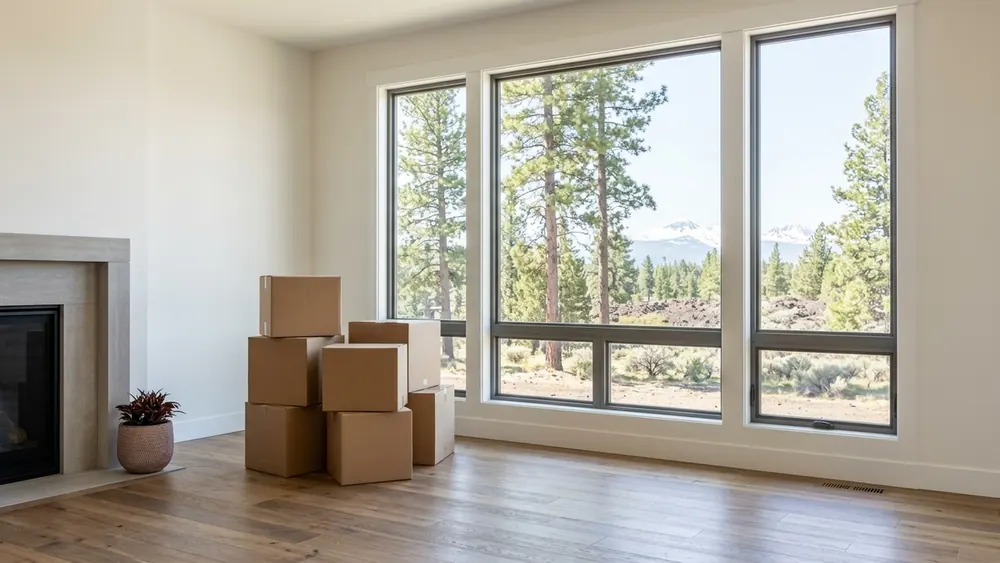
A military family relocating to Central Oregon can plan by starting from the orders and report date, deciding whether to buy or rent, searching carefully from a distance, and taking financing, inspection and local rule questions to the right sources.
On this page
The direct answer for a relocating family
If your family is relocating to Central Oregon on military orders, plan from the orders outward. The report date is the fixed point, and every housing decision works backward from it. Decide early whether you want to buy or rent, then build a search you can run from a distance, line up financing questions for a lender, and know who answers each question about the home and the area before you commit to anything.
This matters because a relocation compresses decisions that would normally have room to breathe. You may be choosing a home in Bend or Sunriver while still living somewhere else, packing, and handling a household move at the same time. A clear order of steps keeps the urgent items from crowding out the important ones, and it helps you notice early when a question belongs to someone other than you.
This article is educational. It explains a way to plan, the questions worth asking and who usually answers them. It does not state any military allowance, entitlement or timeline rule, and it makes no prediction about prices or outcomes. Details about your orders, your move and any benefits belong with the service member’s own installation or relocation office, and loan questions belong with a lender.
Start from the orders and report date
Begin with the paperwork that sets the schedule. Read the orders closely and confirm the report date, along with anything that affects when your household goods move and when the family can travel. If any detail is unclear, ask the service member’s own installation or relocation office rather than relying on what another family experienced. Their situation may have differed from yours in ways that are not obvious from the outside.
Once the report date is confirmed, write a simple working calendar that runs backward from it. Mark when you hope to have a home decided, when the move itself is likely to happen, and when the family needs a place to stay if the home is not ready. Keep the calendar flexible. It is a planning tool, not a promise, and it will change as you learn more about each step.
It also helps to note the things outside your control. Orders can be amended, household goods can arrive on a different schedule than expected, and a seller or landlord has a schedule of their own. Planning for some movement in each of these keeps a single delay from becoming a crisis. Ask the relocation office what you should expect and what to do if something shifts.
Deciding between buying and renting first
Before you look at a single home, decide whether your family is shopping to buy or to rent. There is no right answer that fits every household. The choice depends on how long you expect to stay, how settled you want to feel, your finances, and how much risk you are comfortable carrying if orders change again. Settling this first keeps the search focused and saves time for everyone involved.
If you are leaning toward buying, the next questions are about financing and what happens to the home if you move again. Some families plan to sell at the next move and some plan to keep the home and rent it out. Either path raises questions for a lender, a tax professional and a property manager, and rental rules are a question for the City of Bend, Deschutes County and the homeowners association.
If you are leaning toward renting, at least at first, you still benefit from a plan. Renting can give you time to learn Central Oregon in person before deciding whether to buy later. Read any lease carefully, ask how it handles a change in orders, and take legal questions about the lease to a real estate attorney. Neither choice is wrong, and this article does not recommend one over the other.
Searching for a home from a distance
Many relocating families start their search before they can visit. A distance search works best when it is structured. Decide what the home must have, what would be nice, and what rules a home out. Then use tools that let you see more than the listing photos show, and keep your questions in writing so the answers are easy to compare later. A short list of essentials helps you move quickly without guessing.
- Live video tours where you can ask to see closets, systems and every room
- A trusted friend or family member who can walk a home on your behalf
- Written questions about condition, utilities and any homeowners association rules
- A shared folder where every listing, answer and document lives in one place
Helen Marston can help with the real estate side of a distance search: arranging video walk-throughs, asking sellers your written questions and gathering documents for you to review. Helen holds the NAR Military Relocation Professional (MRP) certification. Whatever help you use, keep the decision yours. Ask for anything you cannot see clearly, and do not let the pressure of a report date push you past a question you still have.
Questions to settle before you commit
Before you commit to a home, it helps to know which questions are still open and who should answer them. The table below lists questions a relocating family often raises, why each one matters and who usually confirms it. It does not rank sources, and it is not a substitute for advice from the professionals named in it. Use it as a checklist and add your own questions as they come up.
| Question | Why it matters | Who confirms it |
|---|---|---|
| What do my orders say about timing? | Sets the fixed point for every housing step | The installation or relocation office |
| Am I eligible for a VA home loan? | Shapes how you finance a purchase | A VA-approved lender or the VA |
| What condition is the home in? | Avoids surprises after you have moved in | A licensed home inspector |
| What rules apply to this home? | Covers renting, changes and use of the property | The city or county and the homeowners association |
| How would selling or renting later be taxed? | Depends on your own situation and records | A tax professional |
Financing deserves its own conversation early. If you plan to use a VA home loan, talk with a VA-approved lender before you shop, and confirm any question about eligibility, entitlement, fees or appraisal with that lender or the VA. If you use another kind of loan, the same principle applies: the lender answers lending questions. Bring those answers back into your planning so your search matches what you can actually do.
Inspection, local rules and other checks
A home you have only seen on video still needs a careful inspection. Arrange for a licensed home inspector, and ask whether you or someone you trust can join the inspection by video or in person. Read the report closely and ask the inspector to explain anything unclear. Then decide, with your own priorities in mind, which items you want to raise with the seller before you go further.
Local questions matter too. If the home has a homeowners association, ask for its rules and documents and read them before you commit. Questions about permits, utilities, services or what you may do with the property go to the City of Bend inside Bend, Deschutes County outside city limits, including Sunriver, or the relevant city if you are looking in La Pine, Redmond or Sisters.
Planning for orders that change again
Orders can change after you have started, or even after you have moved in. A little planning now makes that easier to handle. Before you sign anything, ask how each agreement treats a change in plans, and write down who you would call first. A small, organized folder of documents and contacts can save hours if your family needs to move again sooner than expected.
- A copy of the orders and any amendments, kept with your housing documents
- Questions for a VA-approved lender or other lender about your financing options
- Your must-have list for the home and the features that would rule one out
- Contacts for a property manager and tax professional if you might rent later
If you would like to work through the plan together, you are welcome to bring those notes to Helen at Keller Williams Realty Central Oregon. You do not need every answer first, and a first conversation can happen in English or Chinese. Which part of the move feels least settled right now: the timing, the choice to buy or rent, or how to search from afar?
This article is general information about buying, selling and investing in homes in Bend, Sunriver and Central Oregon. It is not legal, tax, lending, land use, rental licensing or inspection advice and does not predict prices, rental income or returns or promise results. Confirm financing with a lender, rental and land use rules with the city or county and any homeowners association, taxes with a tax professional, and property condition with a licensed home inspector. Helen Marston, Keller Williams Realty Central Oregon.

Written by